
Bangkok, a city renowned for its vibrant street life and modern skyscrapers, also holds a profound spiritual heritage within its ancient temples. This guide offers a concise look at some of the most historically significant and visually stunning temples, providing essential insights for visitors planning to immerse themselves in Thailand’s rich cultural tapestry. Exploring these sacred sites offers a unique opportunity to connect with the city’s past and witness its enduring devotion.
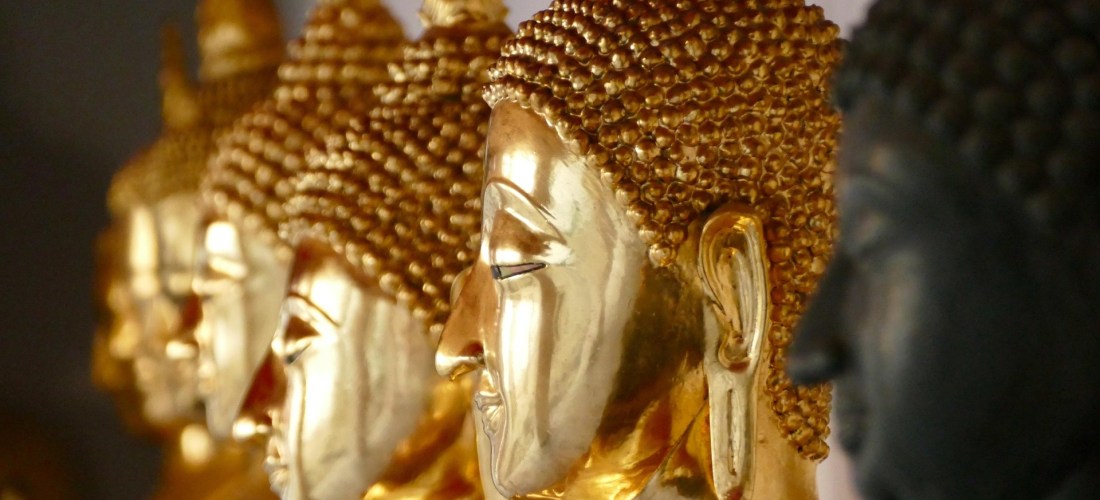
One of Bangkok’s crown jewels is Wat Phra Kaew, home to the revered Emerald Buddha. Located within the sprawling grounds of the Grand Palace, this temple complex, established in 1782 during the reign of King Rama I, is considered the most sacred Buddhist temple in Thailand. The Emerald Buddha, carved from a single block of jade, is a potent symbol of the monarchy and the nation. Visitors are captivated by the intricate details of the murals, golden chedis, and statues that adorn the temple grounds, reflecting centuries of artistic and religious devotion.
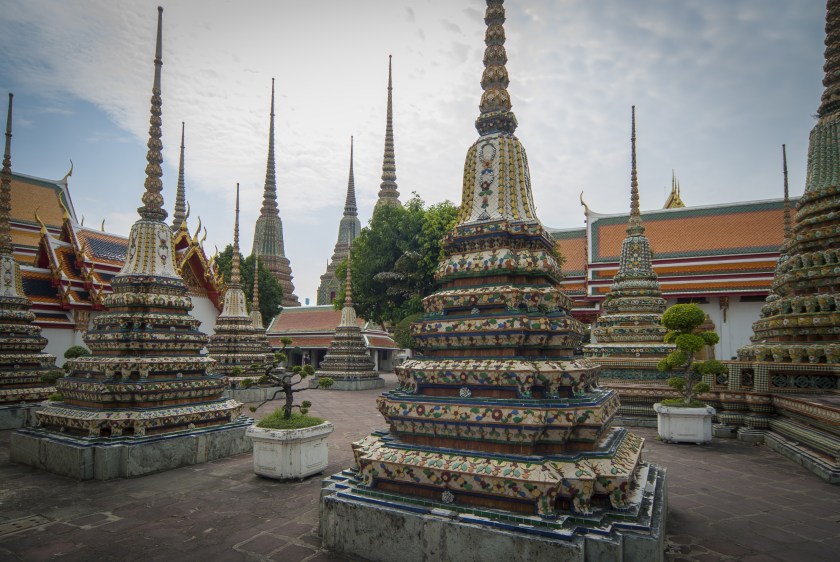
Just a short walk from the Grand Palace lies Wat Pho, famously known as the Temple of the Reclining Buddha. This temple is one of the oldest and largest in Bangkok, predating the city itself and undergoing significant renovations by King Rama I. Its main draw is the colossal 46-meter-long, 15-meter-high statue of the Reclining Buddha, entirely covered in gold leaf. Wat Pho is also recognized as the birthplace of traditional Thai massage, still offering courses and services within its peaceful grounds, providing a holistic cultural experience.
Across the Chao Phraya River, Wat Arun, or the Temple of Dawn, presents a distinctive silhouette against the Bangkok skyline. Its central prang (Khmer-style tower), adorned with colorful porcelain and seashells, sparkles in the sunlight, especially during dawn and sunset. Though its origins trace back to the Ayutthaya period, it gained prominence as the royal temple of King Taksin after the fall of Ayutthaya, and its iconic prang was significantly extended during the reigns of King Rama II and Rama III. Climbing its steep steps offers panoramic views of the river and the city.
When visiting Bangkok‘s temples, many travelers wonder about etiquette. It is essential to dress respectfully; shoulders and knees should be covered for both men and women. Shoes must be removed before entering temple buildings, and it’s polite to speak softly and avoid pointing your feet at Buddha images. Most major temples have an entrance fee, typically ranging from 100 to 500 Thai Baht, which contributes to their upkeep. Opening hours generally run from early morning until late afternoon, usually 8:00 AM to 5:00 PM.
Exploring these magnificent temples provides a profound glimpse into Thailand’s spiritual heart and historical grandeur. Each site tells a unique story through its architecture, art, and sacred relics, leaving visitors with a lasting appreciation for the country’s rich cultural heritage. These sacred spaces offer moments of tranquility and wonder amidst the bustling energy of Bangkok.

